5 Reasons Vein Nurses Are Telling Women to Skip the Knee-Highs
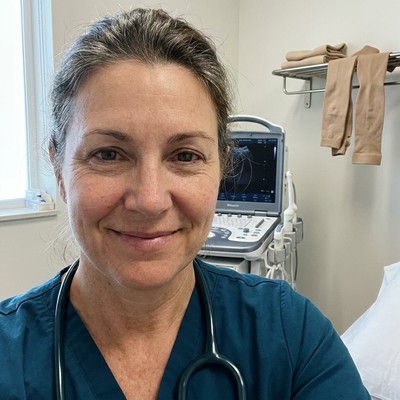
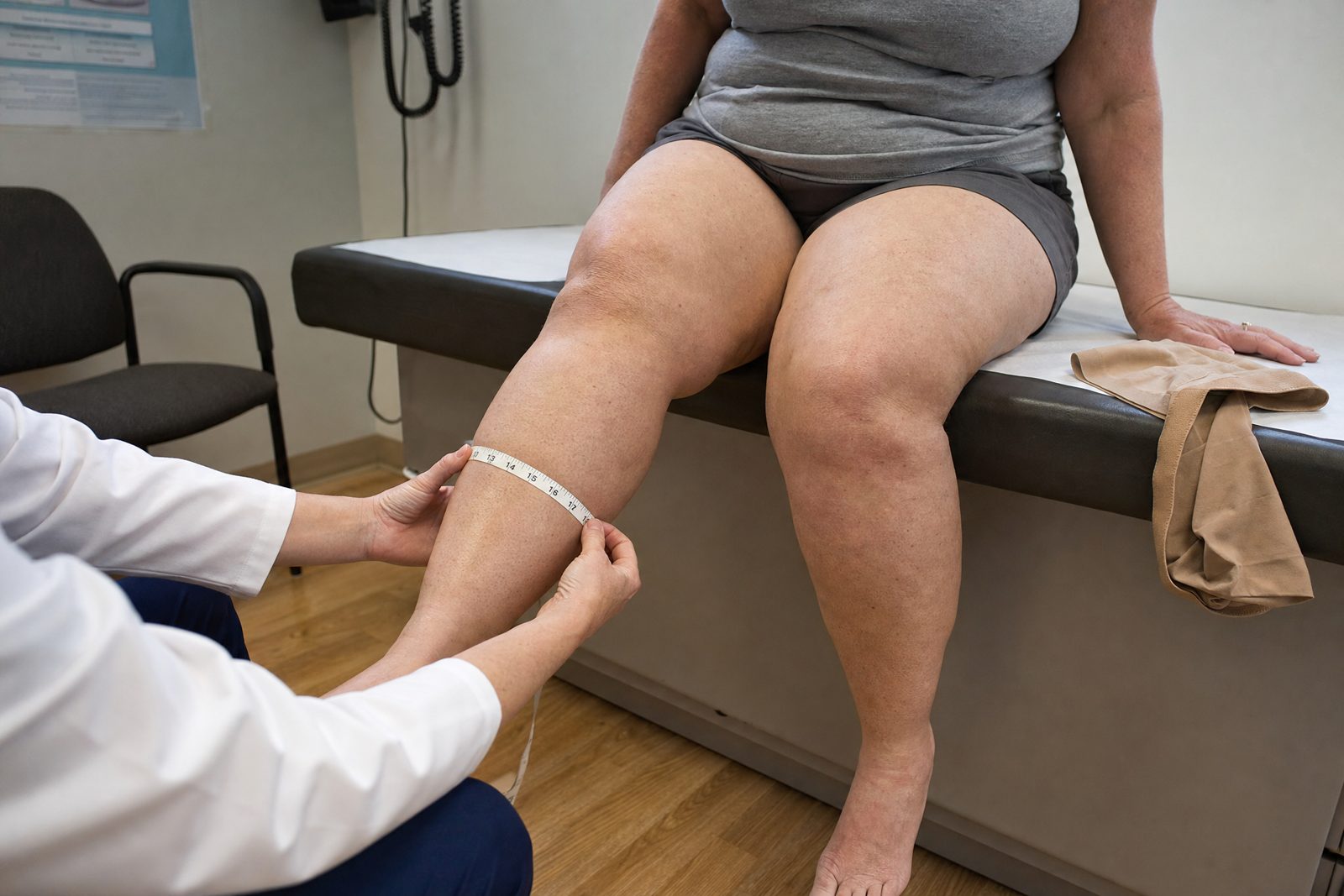
I fit compression stockings for a living.
Twelve years of it, in a vein clinic, mostly for women between forty and seventy. Here is the part nobody puts on the leaflet. Compression is the first thing we recommend and the first thing that gets abandoned, and it is almost never because it did not help. It is because it stopped at the knee, or the band cut a line into her calf, or she could not get it over a swollen ankle at seven in the morning. The ache is back by lunchtime and she decides compression does not work for her. It does. The shape was wrong. So when patient after patient started coming in wearing the same pair, I asked them where they got them.
Why the pressure has to run ankle to waist.
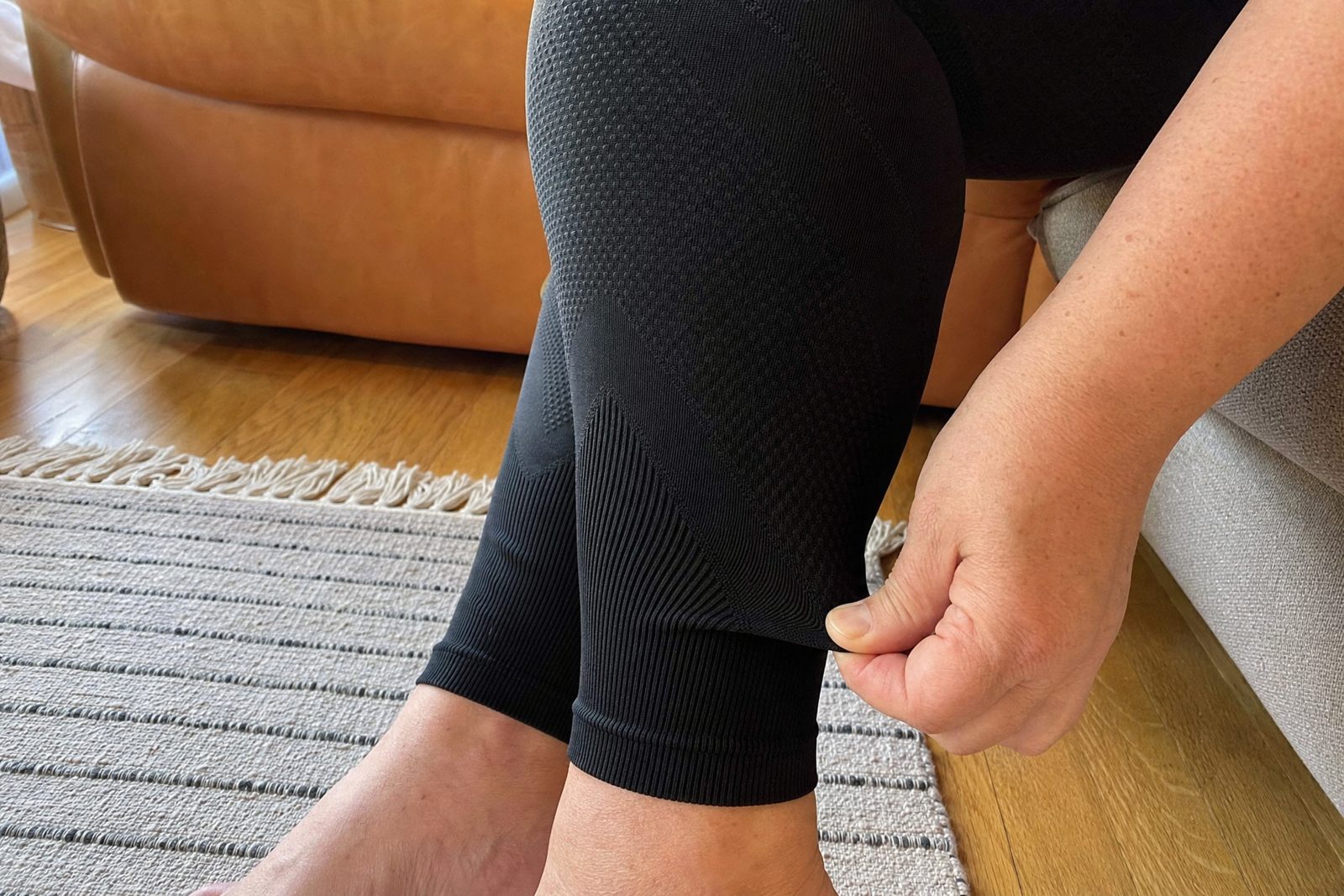
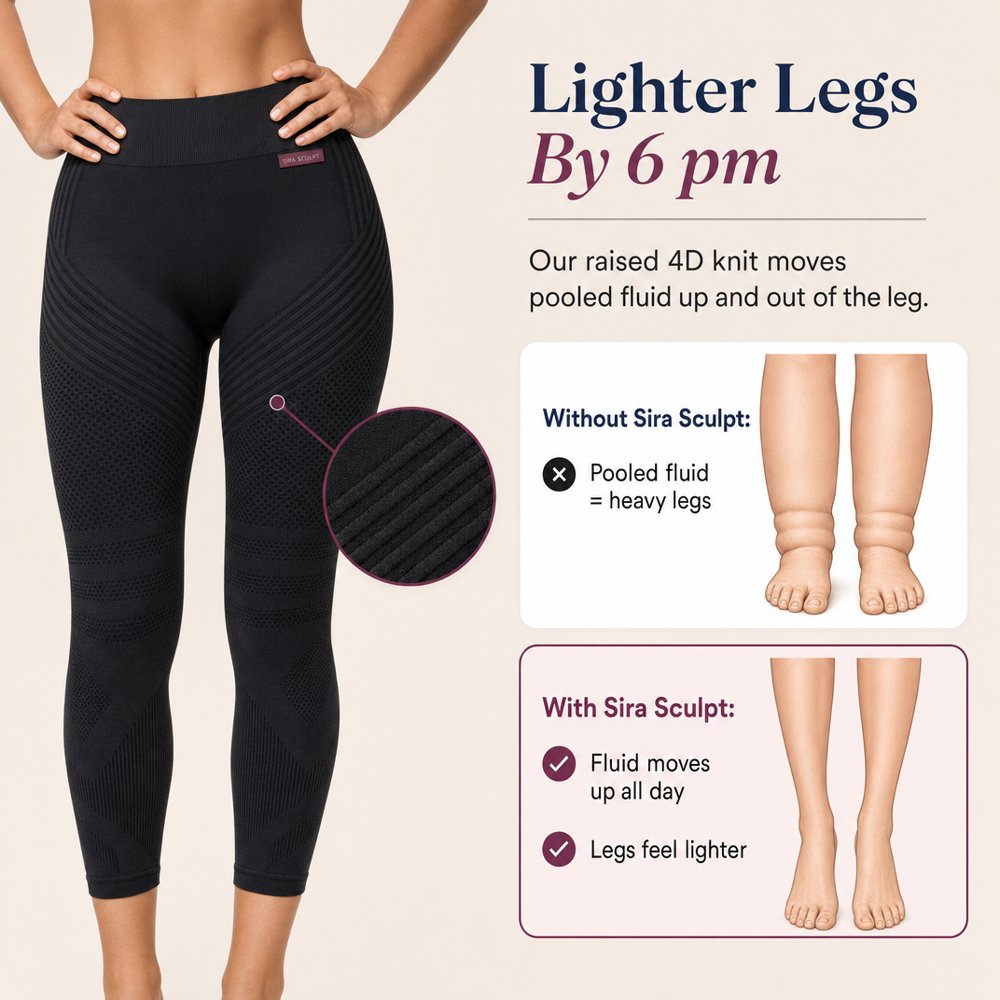
Blood in your leg veins is travelling uphill, against gravity, helped by the muscle every time you take a step. When the valves stop closing properly it pools, and pooling is what you feel as ache, heaviness and a calf that is full by the afternoon. Graduated compression is firmest at the ankle and eases as it climbs, so each step pushes upward instead of letting it sit. That is not a wellness idea. It is the first thing a vein clinic recommends, and it is how compression is worn every day in Japan, sold beside ordinary tights, with an everyday word, mukumi, for the evening swelling it is worn against.
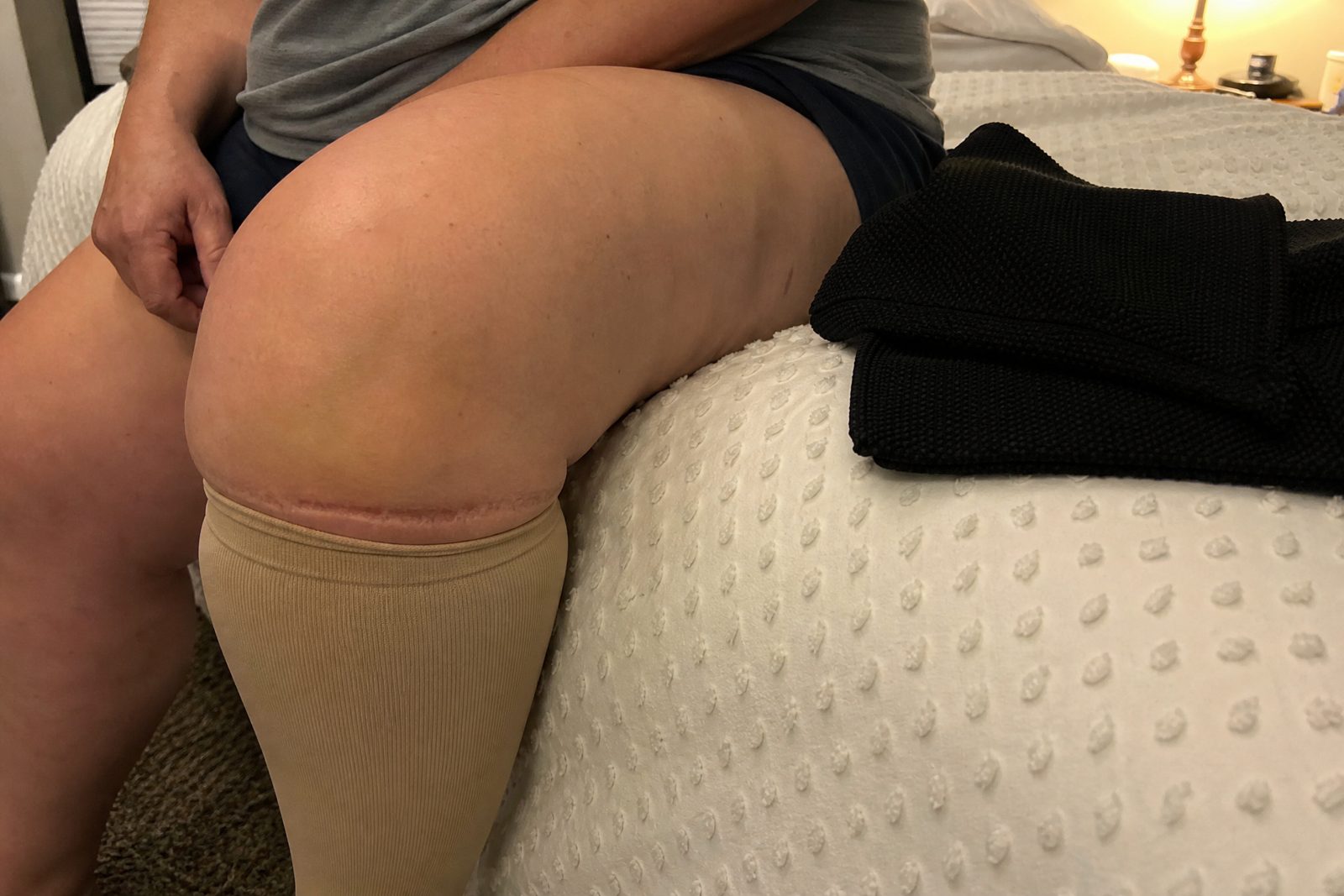
Your socks stop at the knee. Your veins do not.
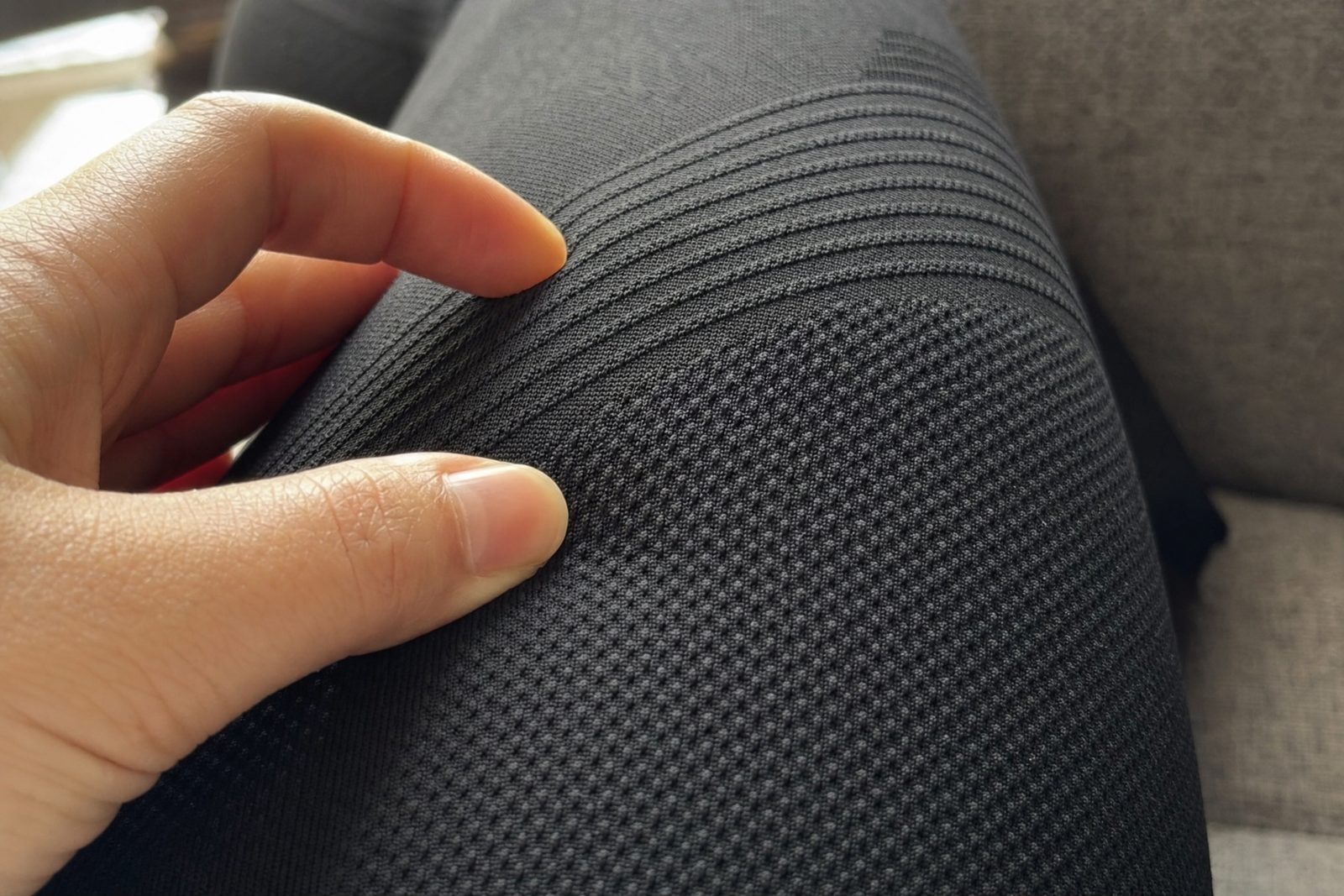
Most of what I fit is knee-high, because that is what is stocked and that is what people will put up with. But the long vein everyone is worried about runs from the ankle all the way up the inside of the thigh, and the ones that ache are often behind the knee. A knee-high leaves every inch of that unsupported, and the elastic top band does the opposite of what you want, sitting like a tourniquet exactly where the fluid was heading. Sira Sculpt 4D Compression Leggings carry the same ankle-up principle from foot to waist, with no band anywhere.
This is about the ache, not the look.
I am not going to tell you these will make a vein disappear. Nothing you pull on will, and anyone who tells you otherwise is selling you something. What compression is actually recommended for, and has been for decades, is the symptoms: the aching, the heaviness, the swelling by evening, the restless feeling at night. Worn consistently it also helps you hold the line rather than watch things quietly get worse. That is the honest version, and in my experience it is the one women actually came in for.
The pair you will actually keep on.
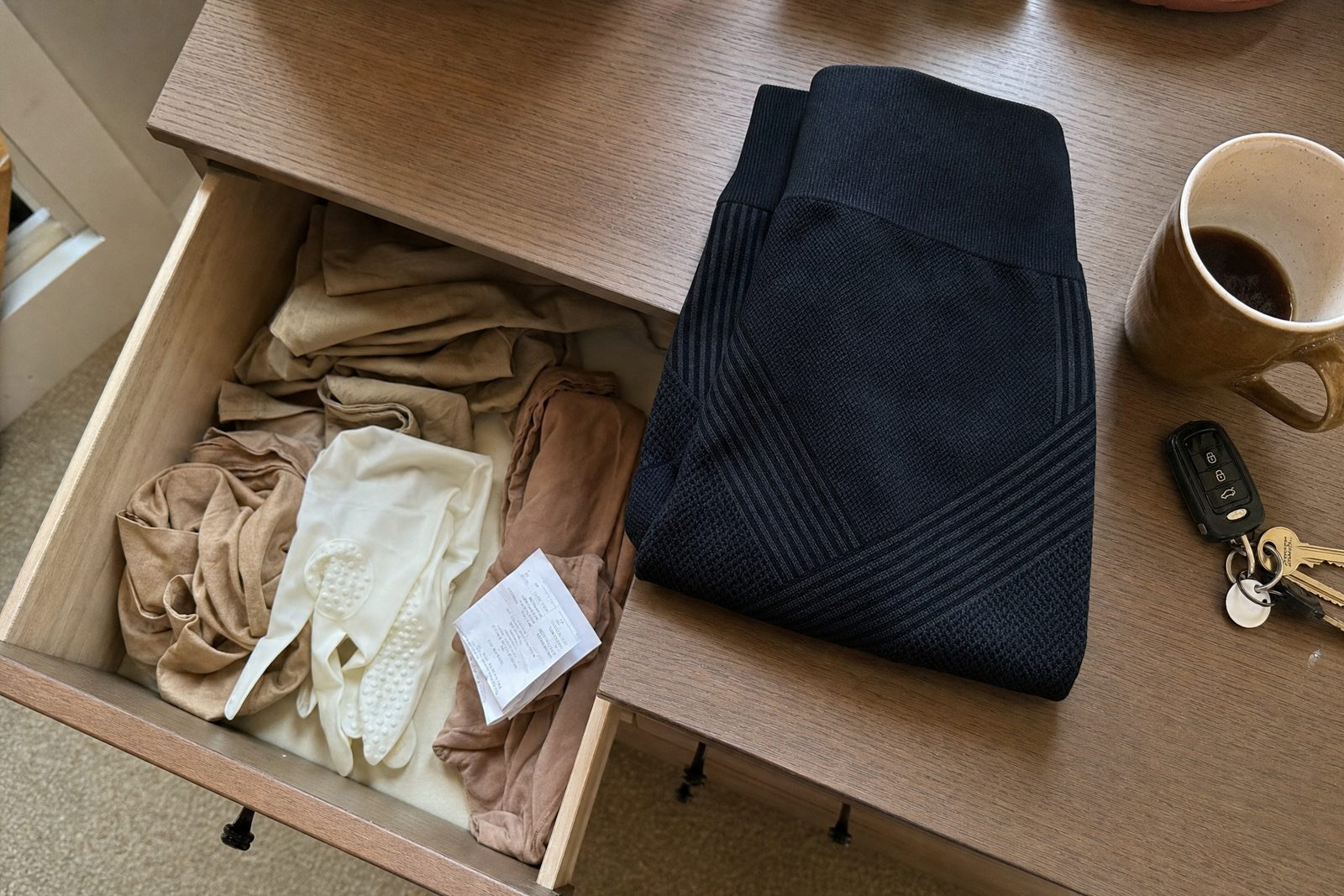
Compression only counts while it is on the leg. The number that matters is not millimetres, it is hours worn, and that is where prescription hosiery loses. It needs gloves, sometimes a frame, and a sweaty ten minutes before the day has started, which is why so many drawers are full of it. These slide on like a legging in about ten seconds. The knit is 90 percent polyamide and 10 percent elastane, breathable, soft, with no hard band behind the knee, so they are still on at six o'clock.
They look like leggings, so they leave the house.
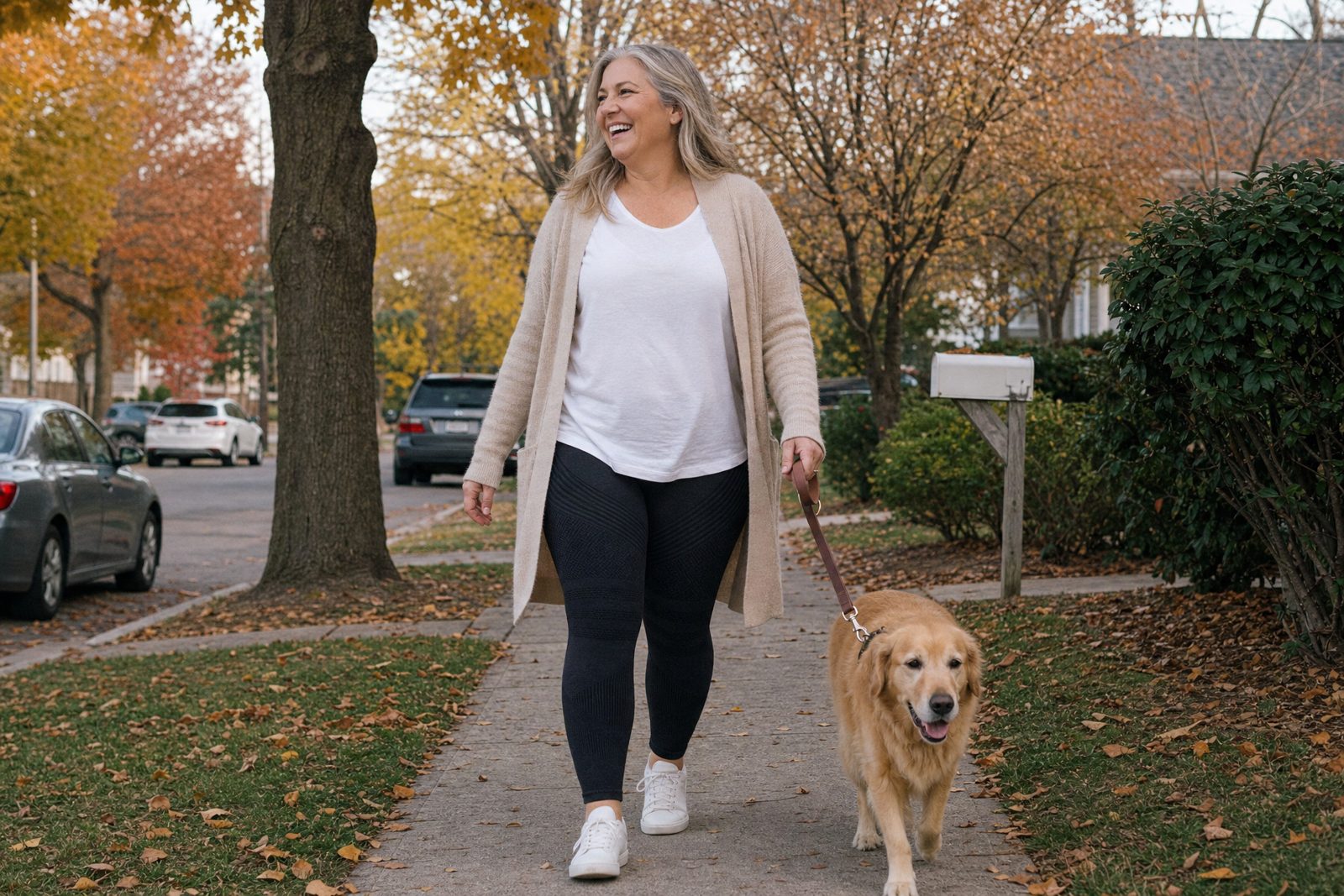
Clinical hosiery is beige, seamed and unmistakable, so it gets worn at home and nowhere else, and the legs go bare exactly on the days a woman is on her feet. These are cut for full calves and thighs over a smaller waist, S to 5XL, fully opaque, in five colors that pass under a dress, at the supermarket, on a long flight. Nobody asks. A pair costs less than one fitted stocking, and a great deal less than the procedure people try first.
Buy One, Get One Free.
This limited-time offer is highly sought after, and sizes XL to 4XL are selling fast. Secure yours before it's too late!
Check availability →To claim it: tap the button, choose your size and color, and the second pair drops to $0 at checkout. No code needed. 90-day money-back guarantee.
Comments